Stakeholder Meeting
Locarno/ Bolle di Magadino - 04. 10.2023
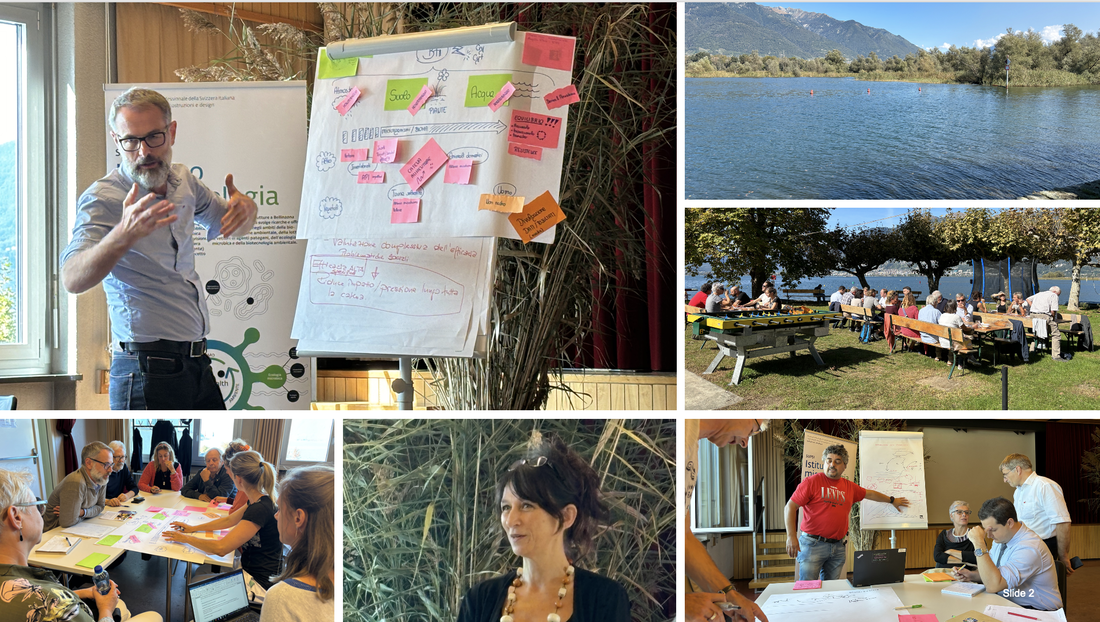
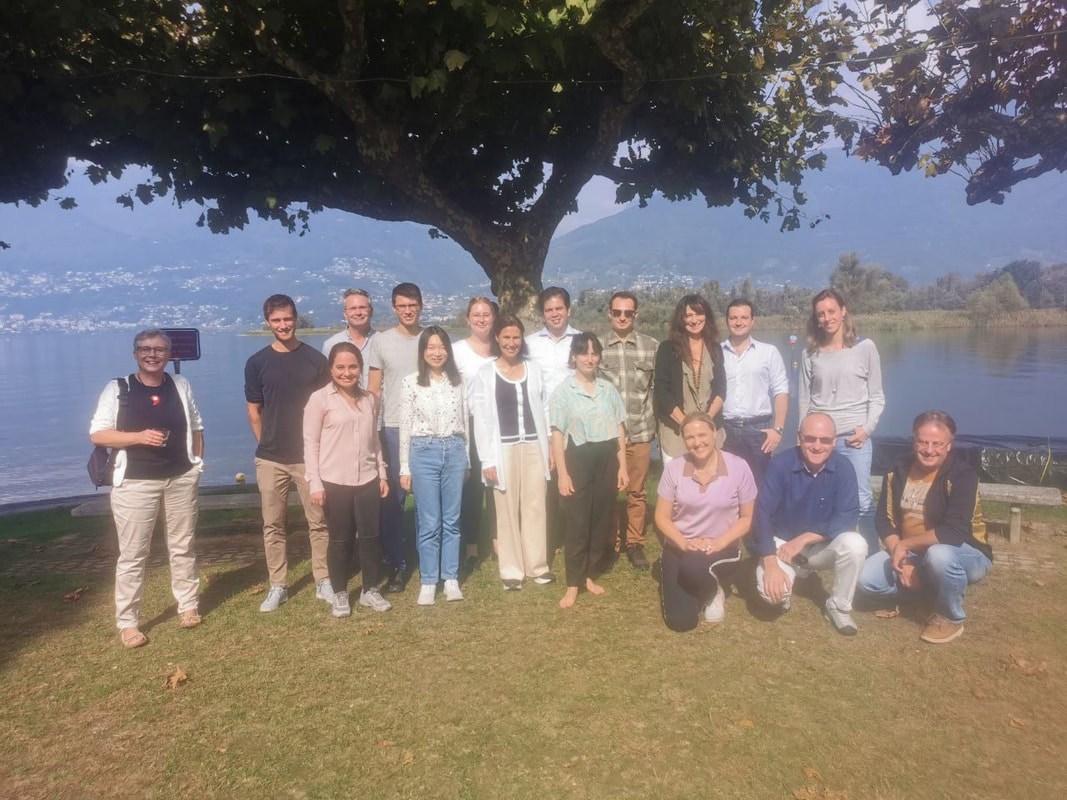
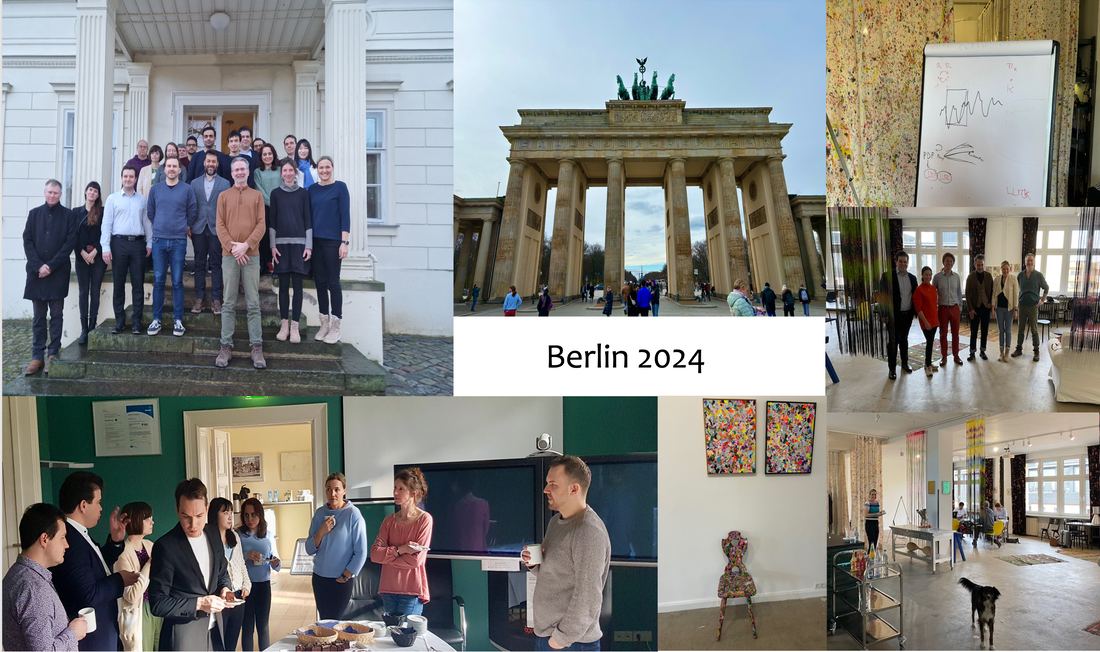
The use of Bacillus thuringiensis in Bolle di Magadino for vector control and as a biopesticide in crop production was discussed with stakeholders. Participants included representatives from public health (cantonal physician, chemical and biosafety inspectorate...), environmental health (ecologists, ornithologists amphibian experts...), consumer associations, farmers and bee keepers, and the Bolle die Magadino Foundation.
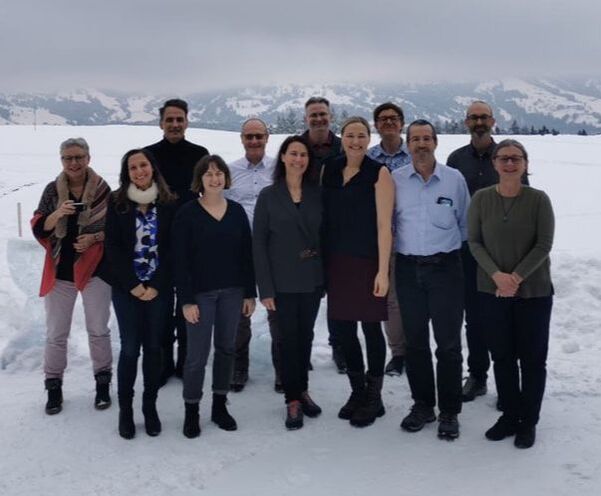
Annual Meeting 2023
Locarno/ Bolle di Magadino - 05. 10.2023
Hackathon & Sounding Board Meeting Berlin 2024
Hackathon
Berlin - 19.-20.02.2024
Sounding Board Meeting
Berlin - 22.-24.02.2024
Berlin - 19.-20.02.2024
Sounding Board Meeting
Berlin - 22.-24.02.2024
Annual Meeting 2025
Oberschleißheim/ Munich, Germany - 05.03.-07.03.2025
Outreach - Scienza a contatto
Mendrisio, Switzerland - 2025
Scienza a contatto is an exhibition presenting scientific projects to the public. In this outreach event, work by the team at SUPSI under the lead of Mauro Tonolla and Eva Veronesi was showcased in form of a poster and video materials (Italian with English subtitles).
Risk Negotiation Workshop BfR 2025
AI-Assisted Risk Negotiation in One Health Decision-Making: Lessons Learnt
The MicRISK Risk Negotiation Framework was tested at BfR premises in Berlin (28.-29.11.2025). The RAKIP Initiative and MicRISK2030 consortium jointly organised a two-day workshop on AI-assisted risk negotiation at the German Federal Institute for Risk Assessment (BfR) in Berlin. The event brought together 28 experts in food microbiology and risk assessment from academia, government, and industry to pilot a structured, AI-supported approach to multi-stakeholder negotiation on complex One Health challenges.
Two Real-World Case Studies
Participants engaged with two carefully designed case studies. The first examined how best to balance trade-offs for setting a Food Safety Criterion for Campylobacter spp. in broiler meat under EU legislation 2073/2005, with participants representing food safety authorities, food industry, environmental NGOs, and consumers. The second addressed the management of the oak processionary moth (Thaumetopoea processionea) in Central Europe, navigating competing environmental, public health, and land management interests. In both cases, stakeholder groups successfully reached a negotiated agreement.
First Live Use of the Negotiation App
A key highlight was the first-time deployment of an interactive negotiation app developed by the project consortia. The app guided participants through issue definition, preference scoring, and iterative deal-making, and was unanimously found easy to access and use in a live setting.
Participant Feedback
Post-workshop surveys confirmed the event’s success. Overall satisfaction averaged 4.73 ± 0.44 (mean ± std) out of 5 (n=15), and organisational quality 4.87 ± 0.34 out of 5 (n=15), with nearly all respondents confirming that the workshop met their expectations. The AI-assisted negotiation approach was broadly considered suitable for real-world application, with stakeholder dialogue and AI support identified as the most impactful process elements.
Looking Ahead
The workshop marks an important proof-of-concept for AI-assisted risk negotiation in One Health governance. Future directions include applications to antimicrobial resistance, highly pathogenic avian influenza, and food waste, alongside embedding the approach into regulatory decision-making at national and international levels.
🔗 MicRISK2030
🔗 RAKIP Initiative